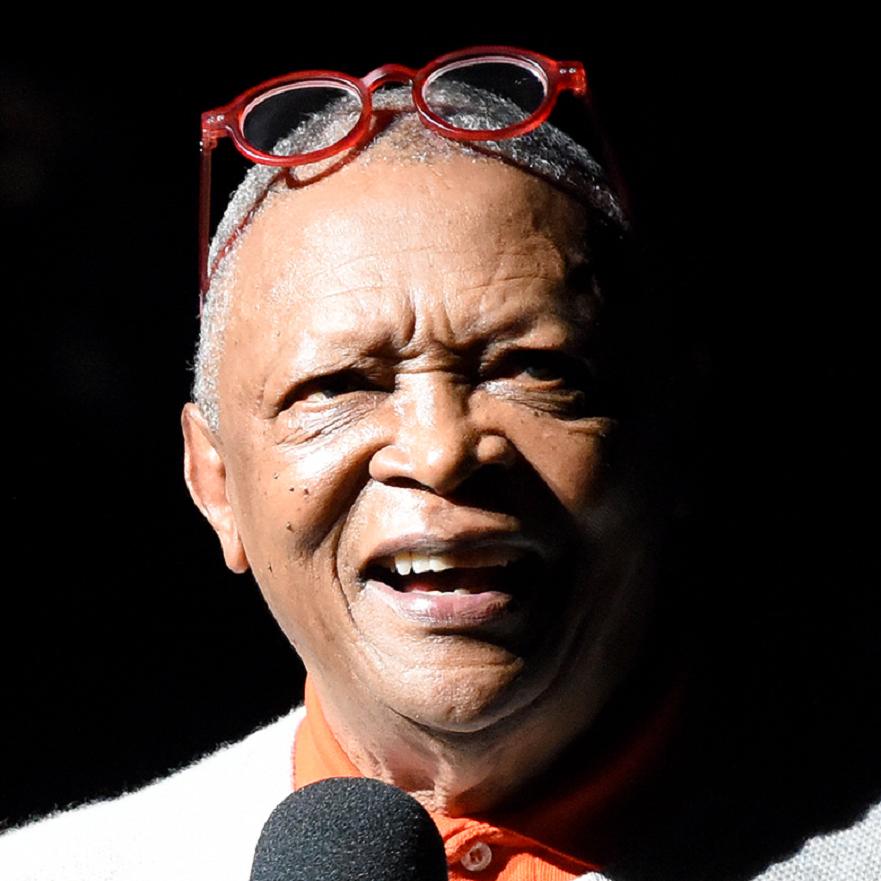
Grazing in the Grass: Hugh Masekela's Road to Riches
Hugh Masekela, often hailed as the "father of South African Jazz," was more than just a musician; he was a global icon whose trumpet sang tales of joy, sorrow, struggle, and hope. His journey from the township of Witbank to international stardom is a testament to extraordinary talent, unwavering perseverance, and a deep commitment to his heritage. While his artistic contributions are immeasurable, understanding the trajectory of his career also allows us to appreciate the components that built
Hugh Masekela's net worth, reflecting decades of groundbreaking music, activism, and entrepreneurial spirit.
The Formative Years: From Witbank to Global Stages
Born Hugh Ramopolo Masekela on April 4, 1939, in KwaGuqa, Witbank, South Africa, his early life was steeped in a blend of conventional upbringing and burgeoning musical passion. His father, Thomas, worked as a health inspector, and his mother, Pauline, was a social worker, but it was his grandmother who largely oversaw his formative years. This grounding in community and service likely influenced his later commitment to social justice.
Masekela's initial exposure to the arts began with piano and singing during his missionary school days. However, a pivotal moment arrived at age 14 when he watched the 1950 musical-drama film *Young Man with a Horn*, starring Kirk Douglas. The film ignited a spark, prompting him to switch his focus to the trumpet – an instrument that would become an extension of his soul.
His nascent talent quickly found an outlet in South Africa's vibrant jazz scene. He gained early exposure performing with the Huddleston Jazz Band, led by the anti-apartheid cleric Trevor Huddleston, who famously gifted Masekela his first trumpet. This period wasn't just about musical development; it was about connecting with a community and understanding the power of art in a politically charged environment. After the Huddleston band dissolved, Masekela co-founded the 'Merry Makers of Springs' with Jonas Gwangwa, further honing his craft. He later joined Alfred Herbert's Jazz Review, even featuring in the orchestra for the seminal South African musical *King Kong* (1959).
Perhaps one of the most significant early milestones was his involvement with 'The Jazz Epistles,' a short-lived but highly influential bebop band formed with other luminaries like Dollar Brand (Abdullah Ibrahim), Kippie Moeketsi, Jonas Gwangwa, and Makaya Ntshoko. Their 1960 album, *Jazz Epistle, Verse 1*, made history as the first full-length album recorded by a Black band in South Africa, marking a profound moment of cultural and artistic defiance against the burgeoning apartheid regime. This early success laid the groundwork for his future financial and creative independence.
The American Dream and "Grazing in the Grass" Phenomenon
The tightening grip of apartheid forced many South African artists into exile, and Masekela was no exception. In the 1960s, he made the monumental move to the United States, a period that would dramatically propel his career and contribute substantially to
Hugh Masekela's net worth. His debut LP, *Trumpet Africaine*, released in 1962 by Mercury Records, introduced his unique fusion of South African rhythms and American jazz to a global audience, featuring tracks like "Click Song" and "Wimoweh."
The 1960s were a prolific decade for Masekela, with a string of successful projects including *Grrr* (1966), *The Americanization of Ooga Booga* (1966), *The Promise of a Future* (1968), and *Africa ’68* (1968). His relentless creativity and cross-cultural appeal were undeniable. A significant move towards greater financial autonomy and artistic control came when he established his own record label, Chisa Records. This was a shrewd business decision, allowing him to directly benefit from his intellectual property and shape his artistic direction. His independent releases under Chisa, such as *Reconstruction* (1970) and *Hugh Masekela & The Union of South Africa* (1971), showcased his evolving sound.
The pinnacle of his commercial success arrived with the infectious single "Grazing in the Grass" (1968), composed by Philemon Hou. This instrumental hit wasn't just a catchy tune; it became a global phenomenon, soaring to #1 on the Billboard Hot 100 chart and selling millions of copies worldwide. This single alone generated immense royalties and catapulted his fame, significantly bolstering
Hugh Masekela's net worth through record sales, airplay, and subsequent touring demands. It cemented his status not just as a jazz virtuoso but as a mainstream crossover artist.
A Legacy Beyond Wealth: Activism, Collaborations, and Later Works
While "Grazing in the Grass" brought him widespread commercial success, Masekela never strayed from his roots or his commitment to social justice. The 1970s saw him collaborating with an array of influential artists, further diversifying his musical portfolio and expanding his reach. He worked with acts like Monk Montgomery & the Crusaders, the legendary Fela Kuti & Africa 70, Hedzoleh Soundz, and Herb Alpert, showcasing his versatility and willingness to bridge genres. His 1972 album, *Home Is Where the Music Is*, featured notable musicians such as Dudu Pukwana and Eddie Gomez, highlighting his ability to attract top talent.
Masekela utilized his platform to amplify the voices of his people, particularly against apartheid. Songs like "Soweto Blues" and "Bring Him Back Home" became powerful anthems, resonating globally and drawing attention to the injustices in South Africa. His music became a weapon for change, proving that art could transcend entertainment and become a force for liberation.
After decades in exile, Masekela made a triumphant return to South Africa in the late 1980s, an emotional homecoming that fueled another prolific period of creativity. His later projects, including *Uptownship* (1989), *Hope* (1994), *Live at the Market Theatre* (2007), *Phola* (2009), *Playing @ Work* (2012), and *No Borders* (2016), continued to explore new musical territories while remaining rooted in his distinct sound. His contributions were recognized with numerous accolades, including two Grammy Awards, an "African Music Legend award," and honorary doctorates from Rhodes University (2015) and the University of York (2014). In 2004, he penned his autobiography, 'Still Grazing,' offering a candid look into his life and career, which added another stream of income and solidified his narrative.
Unpacking Hugh Masekela's Net Worth: A Financial Snapshot
To fully grasp
Hugh Masekela's net worth, one must consider the cumulative financial impact of a career that spanned over six decades. While precise figures for a private individual's net worth are rarely publicly disclosed and often vary based on estimates, we can infer a significant accumulation of wealth based on several key factors:
* **Millions of Record Sales:** The global success of "Grazing in the Grass" alone, which sold millions, indicates substantial royalty income. Beyond this single, his extensive discography of over 40 albums across various labels, including his own Chisa Records, consistently generated revenue.
* **Extensive Touring and Live Performances:** Masekela was a relentless performer, touring extensively across the U.S., U.K., Europe, Africa, and beyond for decades. Live performances, especially for an artist of his stature, command high fees, which would have been a consistent and significant source of income.
* **Songwriting and Publishing Royalties:** As a prolific composer and musician, Masekela earned royalties from his original compositions and his contributions to other artists' works. His publishing catalog would continue to generate income long after his active performing career.
* **Entrepreneurial Ventures:** Establishing Chisa Records not only gave him artistic freedom but also allowed him to retain a larger share of the profits from his recordings compared to working solely with major labels.
* **Brand Endorsements and Media Appearances:** As a renowned cultural figure, Masekela would have received opportunities for endorsements and paid appearances, further contributing to his financial standing.
* **Autobiography Sales:** 'Still Grazing' would have provided additional income through book sales and related rights.
* **Legacy Income:** Even after his passing, his music continues to be streamed, sampled, and celebrated, generating ongoing royalties for his estate.
Considering these robust income streams over an extraordinary career, it's clear that Hugh Masekela built a substantial financial legacy. His journey exemplifies how immense talent, coupled with strategic business decisions and an enduring connection with his audience, can translate into significant and lasting wealth. For a deeper dive into the financial aspects of his career, you might find
Hugh Masekela's Net Worth: Unpacking His Jazz Legacy and
The Million-Selling Career of Hugh Masekela: A Financial Look insightful.
Conclusion
Hugh Masekela's "Road to Riches" was paved not just with gold records, but with profound cultural contributions, an unwavering spirit of activism, and a relentless pursuit of musical excellence. From the early days in Witbank to becoming a global trumpet legend, his life was a symphony of achievements. His financial success, as reflected in the sustained growth of
Hugh Masekela's net worth, was a direct outcome of his immense talent, shrewd business acumen, and an ability to connect with millions across continents. More than just an entertainer, Masekela was a storyteller, a freedom fighter, and an enduring symbol of South African pride, leaving behind a legacy that continues to inspire and resonate, ensuring his "grazing in the grass" will be heard for generations to come.