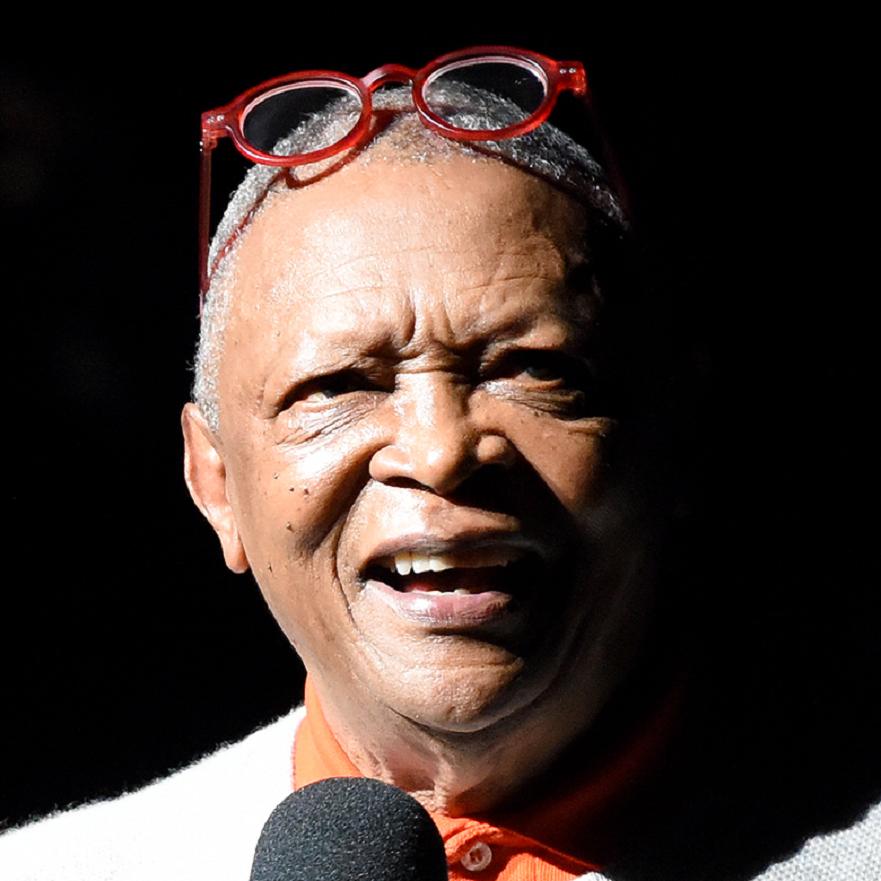
Hugh Masekela, affectionately known as the "father of South African Jazz," left an indelible mark on the world of music and beyond. A virtuosic trumpeter, composer, and vocalist, Masekela’s career spanned over five decades, intertwining musical innovation with a passionate fight against apartheid. As fans and biographers look back on his extraordinary life, questions often arise about the financial legacy of such an influential figure. While precise figures for Hugh Masekela's net worth are not publicly disclosed, an examination of his prolific career, groundbreaking achievements, and diversified income streams paints a picture of substantial financial success, intrinsically linked to his immense artistic and cultural impact.
Early Life and Musical Roots: The Foundation of a Fortune
Born Hugh Ramopolo Masekela on April 4, 1939, in KwaGuqa township, Witbank, South Africa, his early life, while rooted in humble beginnings, quickly showed signs of extraordinary talent. His father, Thomas Masekela, was a health inspector, and his mother, Pauline Bowers Masekela, a social worker. Largely raised by his grandmother, Masekela's childhood involved attending missionary schools, an environment that often fostered early musical exposure.
Masekela initially dabbled in piano and singing, but a pivotal moment arrived at age 14 after seeing Kirk Douglas in the musical-drama film, Young Man with a Horn (1950). This cinematic experience ignited a passion for the trumpet, an instrument that would become his lifelong voice. His early musical education was bolstered by Trevor Huddleston, an anti-apartheid priest who provided him with his first trumpet and encouraged his musical pursuits. This led to his involvement with the Huddleston Jazz Band, a formative experience that laid the groundwork for his future.
As his talent blossomed, Masekela co-founded the 'Merry Makers of Springs' with Jonas Gwangwa after the Huddleston band dissolved. He then joined Alfred Herbert’s Jazz Review, where he gained significant exposure performing in the orchestra for the seminal South African musical, King Kong (1959). A crucial early career highlight was his co-founding of 'The Jazz Epistles', a groundbreaking bebop band alongside Dollar Brand (Abdullah Ibrahim), Kippie Moeketsi, Jonas Gwangwa, and Makaya Ntshoko. Their album, Jazz Epistle, Verse 1 (1960), was a landmark achievement, becoming the first full-length album recorded by a black band in South Africa. These early ventures, pushing against the repressive socio-political landscape of apartheid, not only honed his skills but also established his reputation as a pioneering force in South African music, building a foundation of intellectual property and recognition that would later contribute significantly to his financial standing.
His academic pursuits further solidified his musical foundation, with studies at London’s Guildhall School of Music and later the Manhattan School of Music in New York City. The intellectual rigor and global exposure gained from these institutions, coupled with honorary doctorates from the University of York (2014) and Rhodes University (2015), underscore a commitment to lifelong learning and excellence that permeated his entire career, reinforcing his value as an artist.
The American Chapter: Global Stardom and Financial Peaks
The oppressive realities of apartheid forced many South African artists into exile, and Masekela was no exception. In the 1960s, he moved to the United States, a pivotal decision that launched his career onto the international stage. His debut LP, Trumpet Africaine, released in 1962 by Mercury Records, showcased his unique fusion of jazz with African rhythms, featuring tracks like "Click Song" and "Wimoweh." This initial foray into the American market was followed by a string of successful projects throughout the 60s, including Grrr (1966), The Americanization of Ooga Booga (1966), The Promise of a Future (1968), and Africa ’68 (1968).
A significant strategic move that profoundly impacted Hugh Masekela's net worth was the establishment of his own record label, Chisa Records. This bold step allowed him greater creative control and, crucially, a larger share of the profits from his music, moving beyond traditional artist-label agreements. Independent releases like Reconstruction (1970) and Hugh Masekela & The Union of South Africa (1971) demonstrated his evolving artistic vision and business acumen.
The zenith of his commercial success arrived with the single "Grazing in the Grass," composed by Philemon Hou. This infectious track, released in 1968, soared to number one on the Billboard Hot 100 chart and sold millions of copies worldwide. A number-one hit of this magnitude generates substantial royalties from record sales, radio airplay, and licensing, providing a significant boost to an artist's financial portfolio. Such commercial triumphs are crucial indicators when assessing the potential wealth accumulated by musicians.
The 1970s saw Masekela collaborating with a diverse array of celebrated artists, further expanding his reach and diversifying his income streams. Partnerships with talents like Monk Montgomery & the Crusaders, the legendary Fela Kuti & Africa 70, Hedzoleh Soundz, and Herb Alpert showcased his versatility and kept him at the forefront of the global music scene. Extensive performances across the U.S. and the U.K. during this period added considerable touring revenue. His 1972 album, Home Is Where the Music Is, featuring renowned musicians like Dudu Pukwana, Eddie Gomez, and Makhaya Ntshoko, demonstrated his continued artistic prowess and ability to attract top-tier talent, ensuring consistent album sales and critical acclaim.
A Lifelong Legacy: Sustained Success and Anti-Apartheid Impact
Hugh Masekela's career was characterized by remarkable longevity and an unwavering commitment to his artistic vision and social justice. He returned to South Africa in the late 1980s, continuing to release powerful and critically acclaimed music. Later projects such as Uptownship (1989), Hope (1994), Live at the Market Theatre (2007), Phola (2009), Playing @ Work (2012), and No Borders (2016) attest to his enduring creativity and ability to stay relevant across generations. Each album, coupled with extensive touring, contributed to his continued earnings and solidified his status as a living legend.
Beyond his musical output, Masekela diversified his artistic portfolio. His autobiography, Still Grazing, published in 2004, provided another revenue stream through book sales and offered deeper insights into his life, further cementing his cultural significance. Such literary endeavors allow artists to leverage their personal story into a marketable product, adding to their overall wealth.
Masekela's impact transcended music; he was a vocal and unwavering opponent of apartheid, using his art as a powerful tool for protest. Songs like "Soweto Blues" and "Bring Him Back Home" became anthems for the anti-apartheid movement, resonating globally. This commitment to activism not only gave his music profound meaning but also elevated his status as a cultural icon, leading to widespread recognition and respect that undoubtedly enhanced his marketability and performance fees. The intrinsic value of his contribution to human rights, coupled with his musical genius, made him a sought-after figure for concerts, speaking engagements, and endorsements.
His contributions were formally recognized with numerous accolades, including two prestigious Grammy Awards for his groundbreaking work in the music industry. He was also honored with the "African Music Legend award." These awards are not just symbolic; they often lead to increased demand for performances, higher licensing fees for music in film or television, and greater opportunities for endorsements, all of which are significant factors in an artist's long-term financial health. When considering The Million-Selling Career of Hugh Masekela: A Financial Look, it's clear that these diverse revenue streams, built over decades, underscore a robust financial trajectory.
Estimating Hugh Masekela's Net Worth
Pinpointing an exact net worth for a deceased public figure, especially one who maintained a degree of privacy regarding personal finances, is inherently challenging without public disclosures of their estate. However, based on the comprehensive overview of Hugh Masekela's career, we can infer that he accumulated substantial wealth. His income streams would have included:
- Music Royalties: From millions of album and single sales ("Grazing in the Grass" being a prime example), radio play, streaming, and digital downloads globally.
- Concert Tours: Decades of international touring, often headlining major festivals and venues.
- Record Label Ownership: Revenue from Chisa Records, including not just his own work but potentially other artists he signed.
- Composition and Publishing Rights: Royalties from his compositions being used by other artists or in various media.
- Book Sales: Income from his autobiography, Still Grazing.
- Licensing: His music being licensed for film, television, commercials, and other media, an ongoing income source.
- Endorsements and Appearances: Fees for speaking engagements, appearances, and potential brand partnerships.
- Investments: As with any successful individual, likely investments in various assets over time.
Given these extensive and diverse revenue streams, coupled with a career spanning over 50 years, it is reasonable to conclude that Hugh Masekela's net worth was significant, almost certainly placing him in the multi-million dollar range. His legacy is not just artistic but also one of sustained financial success, built on talent, strategic business decisions, and an unwavering commitment to his craft.
Key Takeaways from Masekela's Financial Journey for Artists
Hugh Masekela's career provides invaluable lessons for aspiring and established artists looking to build a sustainable and financially rewarding career:
- Diversify Income Streams: Don't rely solely on album sales or touring. Masekela branched out into record label ownership, autobiography writing, and leveraging his public image for activism and endorsements.
- Own Your Intellectual Property: Establishing Chisa Records was a strategic move that allowed him to control his creative output and retain more profit. Artists should always strive to understand and protect their rights to their music.
- Embrace Global Reach: Masekela's move to the U.S. and his international collaborations were crucial for expanding his audience and income potential beyond his home country.
- Maintain Long-Term Relevance: Decades of consistent output, critical acclaim, and constant touring ensured he remained a prominent figure, allowing for sustained earnings over a lifetime.
- Build a Powerful Brand: Masekela's identity as both a musical innovator and an anti-apartheid activist made him a compelling figure whose influence transcended music, increasing his overall value and marketability.
- Invest in Education and Skill Development: His studies at Guildhall and Manhattan School of Music provided a solid foundation, showcasing that continuous learning enhances artistic and professional capabilities.
Hugh Masekela's life was a symphony of extraordinary talent, resilience, and purpose. While a precise figure for his net worth remains private, the tapestry of his career reveals a financial legacy as rich and complex as his music. From his early days in Witbank to his global stardom and unwavering fight for justice, Masekela crafted a career that was not only artistically profound but also incredibly successful, providing him with the resources to live authentically and make a lasting impact on the world. His story continues to inspire, reminding us that true value often lies beyond the numbers, in the indelible mark left on culture and humanity.
